




A Dental Service Organization is a company that supports dental practices with
administrative work, structured exit plans, and, in some cases, competitive purchase
offers.
Dental Service Organizations (DSOs) have become an increasingly common part of the dental industry. For many practice owners, they offer an appealing transition path with administrative support, structured exit plans, and, in some cases, competitive purchase offers. There are dentists who have sold to DSOs and feel they made the right decision for their careers and families.
At the same time, there are also dentists who look back on the experience and wish they had explored their options more carefully before signing an agreement.
That doesn’t necessarily mean the sale itself was a mistake. In many cases, regret comes from expectations that didn’t match reality. A dentist may have focused on the purchase price without fully considering what life would look like after closing. Others discover that the way they practiced dentistry or managed their office changes more than they anticipated.
If you’re considering selling your practice, understanding these experiences can help you ask better questions and make a decision that fits your long-term goals. Whether you ultimately sell to a DSO or another private practice owner, having a clear picture of your options will help you move forward with confidence.
There is a reason DSOs continue to grow. They address challenges that many dentists face, particularly as practices become more complex to manage.
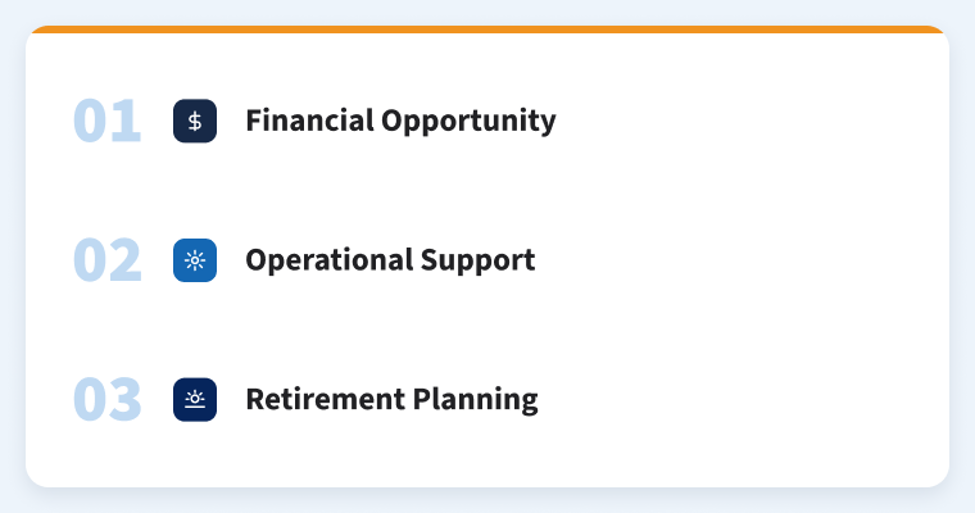
One of the biggest draws is the financial opportunity. Depending on the practice and the market, the DSO may present an attractive purchase offer that allows an owner to realize the value they have spent years building. Some transactions also include earn-outs or equity opportunities that may increase overall compensation if certain conditions are met.
Many owners are also attracted to the operational support that comes with a larger organization. Administrative responsibilities such as payroll, human resources, purchasing, billing, compliance, and marketing are often handled by dedicated teams. For dentists who are ready to spend less time managing the business side of the practice, that support can be appealing.
Retirement planning is another factor. Some dentists prefer a gradual transition rather than stepping away all at once. A DSO arrangement may provide a structured path that allows them to continue treating patients while preparing for retirement over several years.
These advantages are worth considering, and for many sellers they align well with their personal and financial goals. The important part is understanding the full picture before making a decision.
Every practice transition is unique, and no two DSO agreements are exactly alike. Still, there are several themes that experienced transition advisors hear repeatedly from dentists who later wish they had evaluated their options differently.
Understanding these concerns doesn’t mean a DSO sale should be avoided. Instead, it helps sellers identify the questions they should ask before accepting an offer.
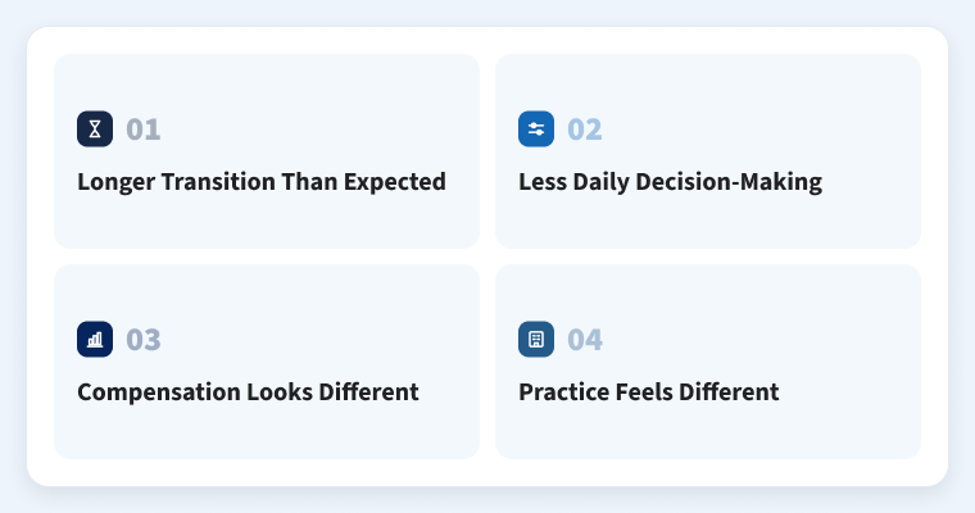
Many dentists picture the closing date as the finish line. In reality, it is often the beginning of a new chapter.
Most DSO agreements include employment contracts that require the seller to continue practicing for a period of time. Depending on the agreement, that commitment may last several years and include production expectations or other performance requirements.
For dentists who planned to slow down or retire soon, those obligations can come as a surprise if they weren’t fully considered during negotiations. A transition that initially seemed straightforward may involve a longer timeline and less flexibility than expected.
Understanding those commitments before signing helps set realistic expectations and allows sellers to determine whether the arrangement fits their personal plans.
| Private practice owner | After selling to a DSO |
|---|---|
| Chooses equipment and procedures | Follows corporate policies |
| Hires staff directly | Staffing may need approval |
| Sets scheduling preferences | Scheduling may follow company standards |
| Manages vendor relationships | Vendor relationships may shift to the DSO |
| Makes technology and budget calls | Budgeting decisions require approval |
Owning a private practice gives dentists the ability to make decisions about how their office operates. They choose equipment, establish office procedures, hire staff, determine scheduling preferences, and make investments that reflect their vision for the practice.
After selling to a DSO, many of those business decisions shift to a larger organization.
Clinical judgment remains with the dentist, but operational decisions may follow corporate policies or require additional approval. Purchasing processes, staffing decisions, vendor relationships, technology investments, and budgeting may no longer rest solely with the doctor who founded the practice.
For some dentists, the change is welcome, while others discover they miss the flexibility and independence that came with ownership.
The purchase price is naturally one of the first things sellers consider, but it is only one part of the financial picture.
As practice owners, dentists often benefit from practice profits in addition to their clinical production. After a DSO sale, compensation typically shifts to an employee model that may include salary, production-based pay, bonuses, or incentive structures outlined in the employment agreement.
That difference can change how income is earned over time. While the arrangement works well for some dentists, others realize they preferred the financial advantages that came with owning the practice they built.
Looking at how future compensation works can help sellers compare opportunities more accurately.
Many dentists spend decades building relationships with patients, developing their team, and creating systems that reflect how they want to practice. Those relationships continue after a sale, but the structure around them may change.
Leadership responsibilities often shift, reporting relationships evolve, and new policies may be introduced over time. Some owners are comfortable with those adjustments because they are ready to move into a different stage of their careers, while others find they miss having the ability to shape the direction of the practice.
Before accepting any offer, it helps to step back and evaluate how the transaction will affect both your finances and your daily life.
Some of the most valuable questions include:
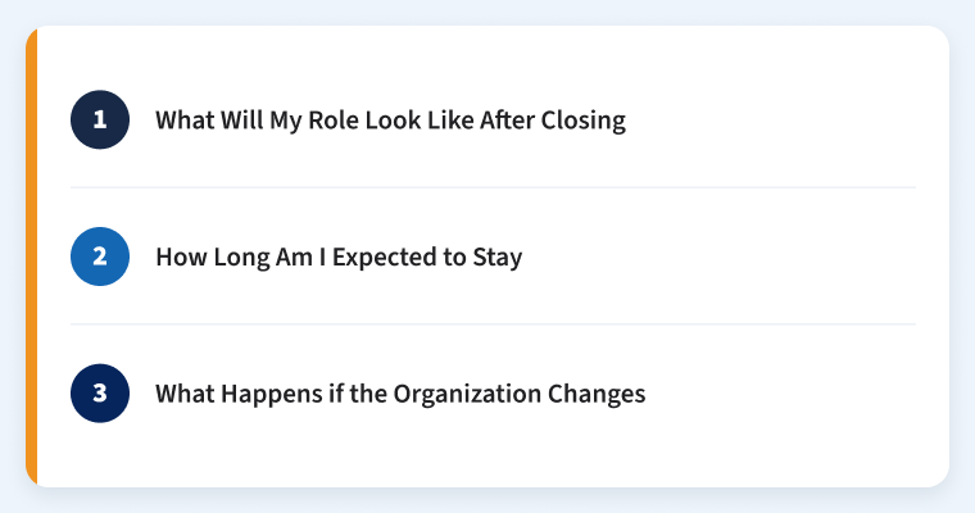
Ask how your schedule, production expectations, leadership responsibilities, and decision-making authority will change. Understanding your role one year after the sale can provide a much clearer picture than focusing only on closing day.
Not every offer is paid entirely at closing. Some transactions include deferred payments, earn-outs, equity opportunities, or performance-based incentives.
A higher purchase price does not always translate into greater financial benefit if significant portions of the payment depend on future conditions.
DSOs continue to evolve, merge, and grow. Asking what happens if ownership changes after your sale can provide additional clarity about how your employment agreement and compensation may be affected.
Having answers to these questions allows you to compare opportunities based on the complete picture rather than one headline number.
Although DSOs receive considerable attention, many practice owners ultimately choose to sell to another private dentist.
One reason is flexibility. Individual buyers and sellers can often work together to create transition timelines that meet both parties’ needs. Whether that means a gradual reduction in clinical hours, mentorship during the transition, or a customized handoff, there is often more room for collaboration.
Many sellers also appreciate the opportunity to pass their practice to someone who wants to continue building on what already exists. That includes preserving patient relationships, supporting long-term staff members, and continuing the practice philosophy that has guided the office for years.
Private practice transactions can also involve a more direct negotiation process. Rather than working through multiple levels of corporate approval, buyers and sellers can work more directly through a dental practice broker.
Every practice sale is different, and there is no universal solution that fits every owner. The right buyer depends on your priorities, your timeline, and your vision for the future of your practice.
Every dentist enters a practice transition with different goals. Some want to maximize the purchase price, while others are focused on retirement timing, reducing administrative responsibilities, or creating opportunities for long-time associates. Many hope to preserve the practice they spent years building while ensuring patients continue receiving excellent care.
Since every situation is different, comparing multiple paths before making a decision is one of the most valuable parts of the transition process.
An experienced dental transition broker can help evaluate offers objectively, explain how different deal structures work, and identify opportunities you may not have considered. That perspective allows you to weigh the advantages and tradeoffs of each option with a clearer understanding of what comes after the sale.
Selling your practice is one of the most significant financial and professional decisions you’ll make. Taking time to explore every option can help you avoid surprises and feel confident that the path you choose supports your long-term goals.
Whether you’re considering a DSO, a private buyer, or simply beginning to think about the future, ADS Dental Transitions can help you evaluate your options, understand your practice’s value, and develop a transition strategy that reflects what matters most to you.
Starting the conversation early gives you more flexibility, more choices, and more time to prepare for the next chapter of your career.