




Selling a dental practice is a major decision. For many dentists, the practice represents decades of clinical work, business decisions, relationships with patients and staff, and personal investment. When the time comes to sell, there is a lot to consider, and the legal side of the transaction can sometimes feel especially complicated.
The good news is that you do not need to become a legal expert to sell your practice successfully. You do, however, need to understand where legal issues can arise and make sure you have the right professionals helping you address them.
An experienced dental practice transition broker, attorney, and tax professional each have an important role to play. Your broker can help guide the overall transaction and keep the process moving, while your attorney provides legal advice and your CPA or tax advisor helps you understand the financial and tax consequences.
Knowing some of the common legal mistakes dentists make when selling a practice can help you prepare for the process and know when to ask for professional guidance.
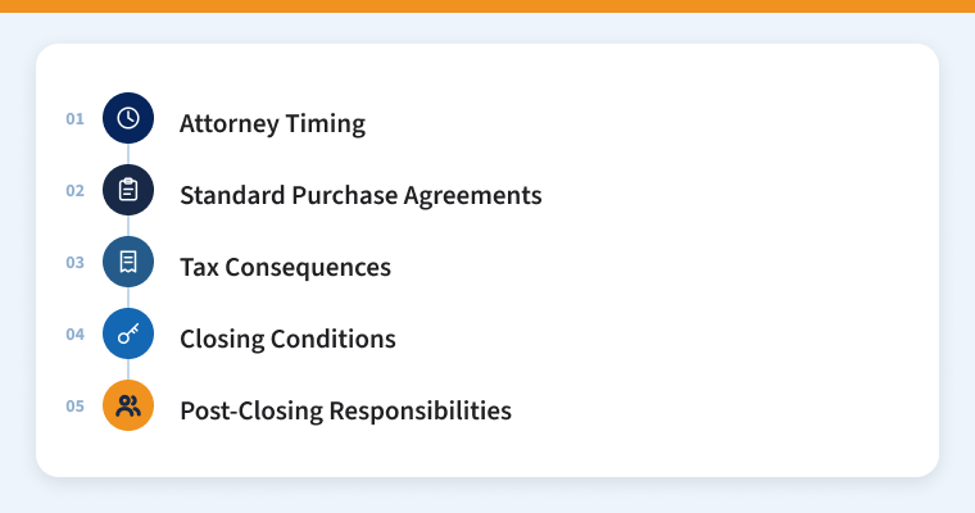
One of the most important steps a seller can take is involving an attorney early in the process. Waiting until a purchase agreement has already been negotiated and signed can leave little room to address issues that could have been handled earlier.
A dental practice sale involves legal considerations that may be different from those involved in selling another type of small business. The transaction may involve the practice’s assets, patient records, employees, real estate, leases, professional obligations, and the seller’s continued involvement after closing.
Ideally, sellers should work with an attorney who has experience with dental practice transitions and understands the laws that apply in the state where the practice is located. An attorney can help review and explain the legal terms of the transaction and advise you about provisions that could affect your responsibilities or financial interests.
This may include:
Your attorney and broker also serve different purposes. A broker can provide valuable experience with dental practice transactions, market conditions, negotiations, and the practical steps involved in getting a sale to closing. Your attorney should advise you about the legal implications of the documents you sign.
Since dental practice sales have their own considerations, it is worth asking a prospective attorney how much experience they have with these transactions. An attorney who regularly works with dental practice owners may be familiar with issues that arise during a transition and can help you recognize questions that need to be addressed.
A legally binding contract that establishes the terms of a practice sale. It should reflect
the specific transaction and the agreements reached by the buyer and seller, not a
generic form.
A dental practice purchase agreement is a legally binding contract that establishes the terms of the sale. It should reflect the specific transaction and the agreements reached by the buyer and seller.
Using a generic form or assuming that an agreement from another practice sale will work for your transaction can create problems. Even two dental practices with similar purchase prices may have very different circumstances.
A purchase agreement may address:
Each of these provisions can affect the transaction in a meaningful way.
The purchase price is generally allocated among different assets. Goodwill may receive
capital gains treatment, while certain tangible assets may be subject to ordinary income
treatment.
Taxes are another area where a seller can run into problems by focusing primarily on the purchase price.
The purchase price of a dental practice is generally allocated among different assets. The allocation can affect how the proceeds are taxed, so sellers should discuss it with their CPA or tax advisor before the final terms are established.
Depending on the transaction, the allocation may involve assets such as:
Different types of assets may receive different tax treatment. In general, goodwill may receive capital gains treatment, while certain tangible assets may be subject to ordinary income treatment. The specific tax consequences depend on the seller’s circumstances and the structure of the transaction.
This can create an area where the buyer and seller have different interests. The buyer may prefer a particular allocation because it affects depreciation, while the seller may prefer an allocation that produces a more favorable tax result.
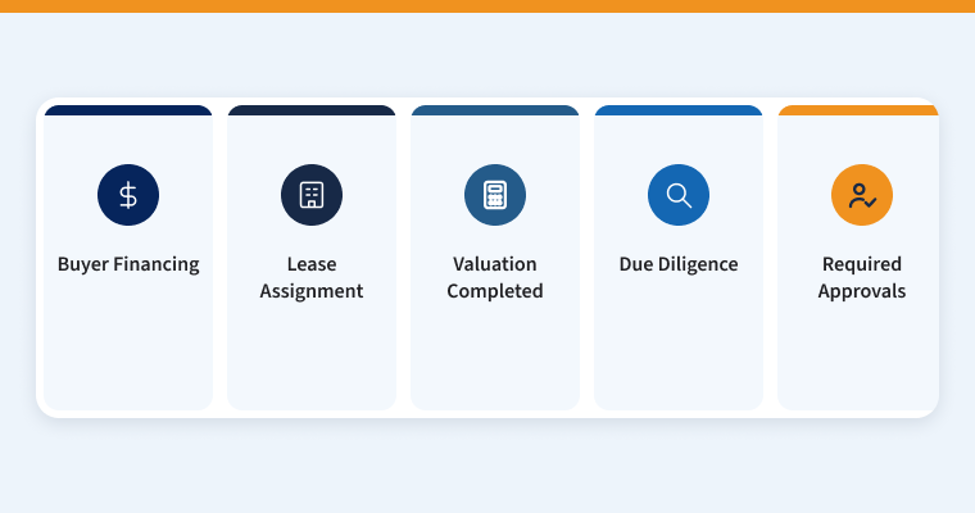
Agreeing on the major terms of a sale does not necessarily mean the transaction is guaranteed to close. Most dental practice purchase agreements include conditions that must be satisfied before the transaction can be completed.
Common conditions may include:
These conditions are designed to protect both parties, but sellers should understand what each condition means and what could happen if it is not satisfied. For example, a buyer will often need financing to purchase the practice. Until that financing is approved, there is still an element of uncertainty surrounding the transaction. Promptly providing financial and practice information to the lender can help reduce unnecessary delays.
The physical location of the practice can introduce another set of legal considerations. If the seller leases the office, the buyer may need to obtain a new lease or an assignment of the existing lease. The landlord may need to approve the buyer, and the landlord and their attorney may need time to complete their own review.
These issues can take time to resolve, which is why they should be addressed early rather than shortly before the anticipated closing date.
For some dentists, selling the practice does not mean walking away on closing day. The purchase agreement may require the seller to remain involved for a period of time to help with the transition.
That arrangement can be beneficial for both parties, but the expectations should be clearly defined.
Questions that may need to be addressed include:
Sellers and buyers may have very different expectations about what the transition period will look like. A seller may expect to work a limited schedule for several months, while a buyer may expect more extensive involvement. Those expectations should be discussed and documented before closing.
This is especially important for dentists who are selling because they are ready to retire. If your goal is to step away from dentistry, you should understand exactly how much continued involvement the agreement requires before you sign it.
A dental practice sale involves many moving pieces, and sellers do not have to manage all of them alone.
An experienced dental transition broker can help guide the business side of the transaction, beginning with preparing the practice for sale and establishing an appropriate valuation. The broker can then help market the practice confidentially, communicate with prospective buyers, coordinate with lenders and other professionals, and keep the transaction moving toward closing.
Just as importantly, a broker who regularly works with dental practices knows when a question may require input from an attorney, CPA, lender, or other advisor.
The broker’s role does not replace legal or tax counsel. Instead, the broker helps coordinate the broader transition process while each professional handles the area in which they are qualified to advise you.

| Role | What they handle |
|---|---|
| Broker | Guides the transaction and market process |
| Attorney | Reviews legal terms and contract provisions |
| CPA or tax advisor | Explains the tax consequences of the sale |
| Financial advisor | Helps with broader financial planning |
If you are thinking about selling your practice in the next few years, there is value in beginning the planning process before putting the practice on the market.
Your team may include:
Starting early gives you time to address questions without the pressure of an approaching closing date. It can also help identify issues that may affect the value or marketability of the practice before you begin looking for a buyer.
Legal documents are an unavoidable part of selling a dental practice, but they do not have to make the process overwhelming. The best way to approach them is to understand what you are agreeing to and have the right professionals involved.
Some of the most common mistakes are also among the most preventable. Sellers can reduce their risk by involving legal and tax professionals early, carefully reviewing the purchase agreement, understanding the tax implications, and defining closing and post-closing obligations.
Every dental practice sale is different, so there is no single agreement or approach that will work for every seller. Your advisors should help you understand how the terms of your particular transaction affect your goals.
If you are considering selling your dental practice, an experienced ADS Dental Transition broker can help you begin the process with a clear understanding of what to expect. Contact ADS to connect with a dental transition professional who can help you prepare your practice, navigate the sale process, and coordinate with the legal and financial professionals who will help you protect your interests.