




Retirement may still be several years away, but it is never too early to think about what your dental practice will be worth when you are ready to sell. The decisions you make during those final years can have a meaningful impact on the practice’s value and the options available to you when it is time to transition.
A strong dental practice has more going for it than a certain level of annual collections. Buyers look at profitability, patient activity, staff, equipment, systems, lease terms, and the overall condition of the practice. They also want to understand whether the practice can continue performing well after the current owner steps away.
Some of these factors can be improved before you sell. Others, such as location, are circumstances you may have limited ability to change. The goal is to understand which areas are worth addressing and which investments are unlikely to provide a meaningful return.
If retirement is on your horizon, the following steps can help you prepare your practice for a successful transition.
Start with a professional valuation, then strengthen profitability, protect your patient base, keep a
strong team, review fees and payer mix, and maintain the office and equipment. Early planning
gives you time to act.
Before making changes to your practice, it helps to understand where you are starting. A professional dental practice valuation can provide a clearer picture of what your practice may be worth today and identify areas that could affect its value.
A valuation considers much more than collections. It can include profitability, cash flow, patient activity, hygiene production, new-patient flow, payer mix, staff, equipment, location, lease terms, and other factors that influence a buyer’s interest.
This information can be particularly useful when retirement is still a few years away. If the valuation identifies an area that could be improved, you have time to decide whether making a change is financially worthwhile. You may also find that the practice is already in a strong position and that major investments are unnecessary.
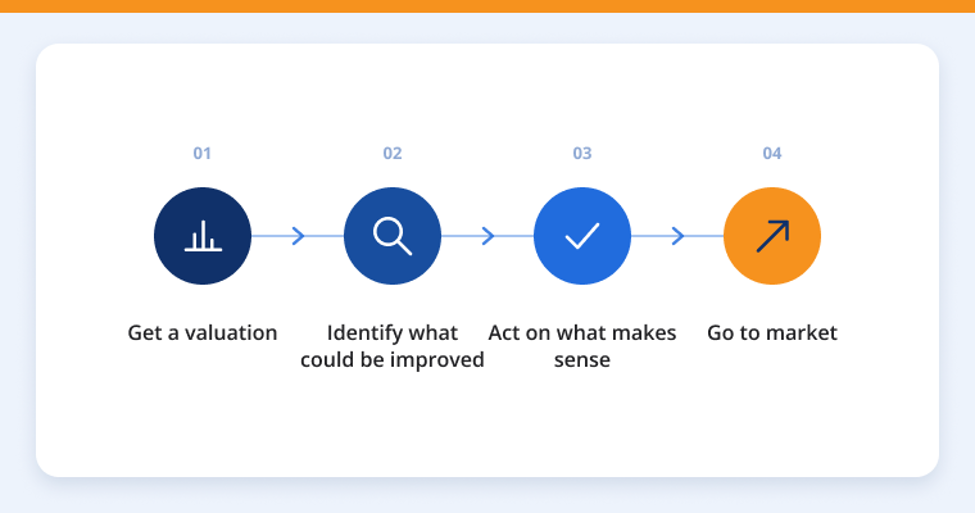
Timing matters when preparing for a practice sale. If you wait until you are ready to list the practice before evaluating its strengths and weaknesses, there may not be enough time to make meaningful improvements.
An early valuation also gives you a better number to work with when planning for retirement. Your practice may represent a significant portion of your financial assets, so understanding its potential value can help you and your financial advisor determine whether your retirement plans and desired sale date are realistic.
Financial performance is one of the most important considerations when a buyer evaluates a dental practice. Strong collections are helpful, but buyers and lenders also want to understand how much income remains after the costs of running the practice.
Two practices can have similar annual collections and very different values because their expenses and profitability are different.
Take a close look at your practice’s overhead and identify expenses that could be reduced without affecting patient care or the quality of the practice. Review discretionary spending and make sure expenses are properly categorized and accurately reflected in your financial statements.
This does not mean cutting every expense possible in the years before retirement. Some investments in staff, technology, marketing, or patient services may support the practice’s performance. The important thing is to understand how those expenses contribute to the business and whether they are producing a reasonable return.
Organized financial records make it easier for a prospective buyer and lender to understand how the practice operates.
Make sure your profit and loss statements, tax records, accounts receivable information, and other financial documents are current and consistent. Avoid mixing personal and practice expenses whenever possible, and work with your accountant to make sure the financial picture accurately reflects the practice.
Clean records also make the eventual due diligence process more straightforward. A buyer will likely want to review several years of financial information before completing a purchase, so having those records organized in advance can save time later.
Accounts receivable deserves attention as well. Review aging reports regularly and make sure your office has a consistent process for collecting outstanding balances.
A large amount of aging receivables can raise questions about the practice’s collection process and financial health. Keeping AR under control helps maintain healthy cash flow while also giving a future buyer a clearer picture of the practice’s financial performance.
A dental practice’s value is closely connected to the patients who support its ongoing production. Maintaining those relationships during the years leading up to retirement can help protect the practice’s goodwill.
A practice with an established, active patient base gives a buyer a foundation to build on after the transition. Pay attention to recall and hygiene systems, treatment-plan follow-up, and patient communication.
Look at your patient data regularly. Are patients returning for their recommended hygiene visits? Are treatment plans being followed up on? Are patients who have not visited recently being contacted?
These systems can have a significant effect on practice performance, and they can also demonstrate that patient relationships are supported by the practice rather than relying entirely on the owner’s personal efforts.
Buyers will also want to know how the practice generates new patients. Review your marketing efforts, referral relationships, online presence, and other sources of new-patient activity.
Consistency matters here. A sudden increase in new patients shortly before a sale may not mean much if there is no established process behind it. A practice with a history of steady new-patient activity can give a buyer greater confidence in its future potential.
It is also worth considering how dependent new-patient generation is on you personally. If most referrals come directly from the dentist’s personal relationships, think about whether there are ways to make those relationships part of the broader practice rather than something that leaves with the owner.
Your staff plays a major role in the patient experience and the day-to-day operation of your practice. A buyer will want to know whether the team is likely to remain after the sale and whether the practice can continue operating smoothly during the transition.
An experienced staff knows your patients, understands your systems, and knows how the office operates. That familiarity can provide important continuity when ownership changes.
Pay attention to staff morale, communication, training, and responsibilities. Address ongoing personnel problems rather than leaving them for a future owner to resolve.
It is also helpful to keep personnel records organized and current. A prospective buyer may want information about staff roles, compensation, benefits, and length of service as part of the due diligence process.

Make sure important responsibilities are not concentrated in one person whenever possible.
Cross-training employees and documenting important procedures can help protect the practice if someone leaves. It also demonstrates that the practice has systems in place that a buyer can take over rather than having to rebuild them.
The way a practice approaches fees and insurance can have an effect on profitability and buyer interest. This is an area worth reviewing before retirement, but it should be approached thoughtfully.
If your fees have not been updated regularly, review them with your financial and practice advisors. The cost of operating a dental practice changes over time, and outdated fees can put unnecessary pressure on profitability. Regular fee reviews can help ensure that your practice is charging appropriately for the services it provides.
Take a close look at the insurance plans in which you participate and how their reimbursement rates affect your overall financial performance.
There is no single payer mix that makes every practice valuable. A practice serving a strong patient base and maintaining healthy profitability can be attractive under different insurance models. What matters is understanding how your payer relationships affect the practice’s finances and whether there are reasonable opportunities to improve them.
Avoid making major changes simply because you expect a future buyer to prefer a particular arrangement. Changes to insurance participation can affect patients and production, so they should be evaluated carefully.
The physical condition of your practice can influence a prospective buyer’s first impression. At the same time, spending heavily on improvements right before a sale does not necessarily mean you will recover that investment.
| Situation | What to do |
|---|---|
| Equipment is no longer working well | Replacing it may make sense whether or not you plan to sell. |
| You expect a buyer to pay more for new technology | It may not produce the return you expect. Buyers often prefer to make upgrades themselves. |
| Before any large purchase | Consider the cost, the remaining useful life, and the effect on performance and marketability. |
Review the age and condition of your equipment and consider whether anything is outdated, unreliable, or likely to require replacement soon.
If a major piece of equipment is no longer functioning well, replacing it may make sense for the practice regardless of whether you are planning to sell. However, buying new technology simply because you think a buyer will pay more for it may not produce the return you expect.
A prospective buyer may have their own preferences about equipment and technology. In some cases, a buyer would rather purchase the practice at an appropriate price and make those upgrades themselves.
Before making a large investment, consider the cost, the remaining useful life of the existing equipment, and the effect the improvement is likely to have on the practice’s performance and marketability.
Your office does not need to undergo an expensive renovation before you sell. It should, however, be clean, organized, well-maintained, and welcoming.
Walk through the practice as though you were seeing it for the first time. Look at the reception area, operatories, flooring, walls, lighting, signage, and exterior. Small maintenance issues that have become easy to overlook can stand out to a prospective buyer.
Maximizing the value of your dental practice is a process that can begin well before you put the practice on the market.
Focus on the areas you can influence. Maintain healthy performance, protect your patient base, keep your team strong, review your fees and payer relationships, and maintain the office and address equipment issues.
A professional valuation can help you understand where your practice stands and where there may be opportunities to improve. With enough time, you can decide which changes make sense for your practice and your retirement goals.
If retirement is on your horizon, you do not have to wait until you are ready to sell to start planning. An ADS Dental Transitions broker can help you understand what your practice is worth today, identify factors that could affect its value, and develop a transition strategy that fits your goals.